Beadhead Dark Lord nymph
$ 6.30
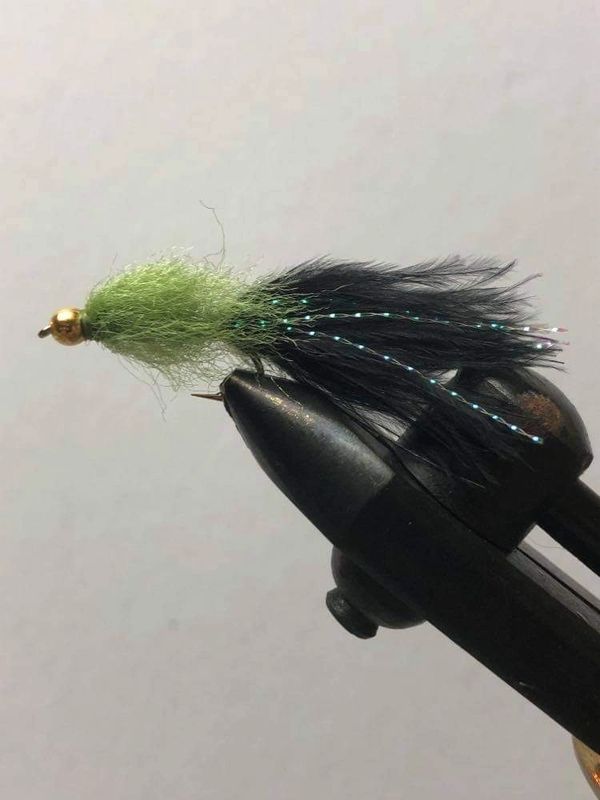
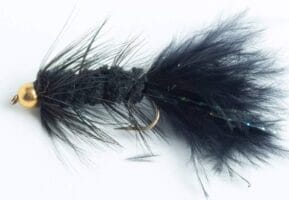

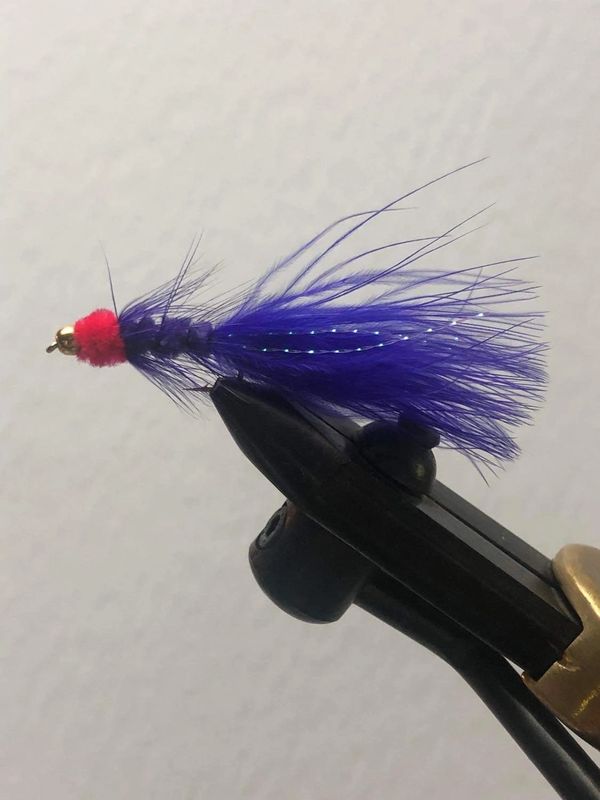
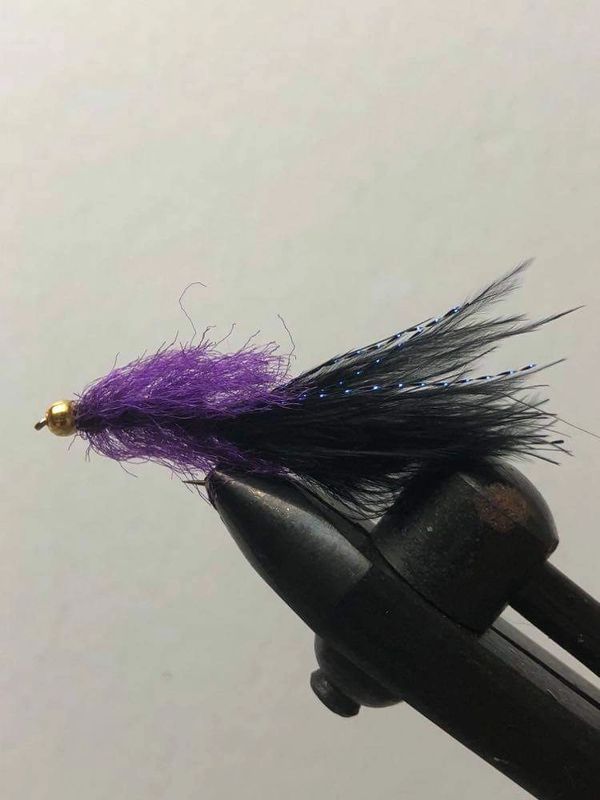
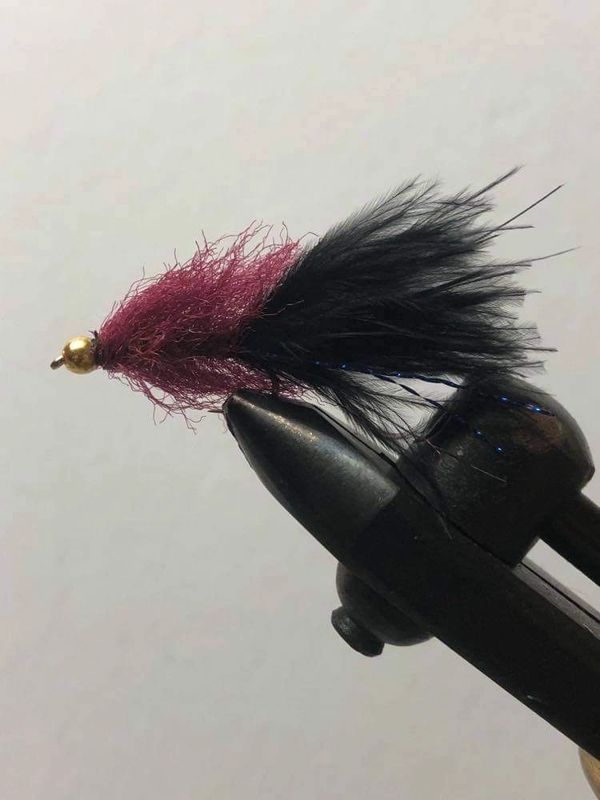
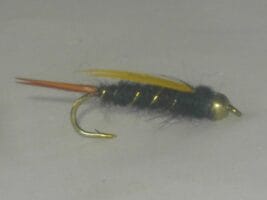
Product Overview and Heritage The Beadhead Dark Lord Nymph represents a sophisticated evolution of Ron Hart’s 1986 pattern, featuring a unique combination of dark materials and modern beadhead construction. This specialized pattern incorporates elements of the classic Prince Nymph with darker materials and precise tying methods, making it particularly effective for imitating stonefly nymphs while also serving as a highly effective attractor pattern. The addition of the beadhead transforms this already successful pattern into a versatile deep-water performer that maintains the essential triggering features of the original while adding depth control and flash. Design Features and Materials Hook Characteristics: Premium nymph hook (TMC 3761) Available sizes: 12-16 Heavy wire construction Wide gap design Chemically sharpened point Black nickel finish Optimal hook strength Enhanced penetration design Perfect size-to-weight ratio Freshwater durability Material Components: Gold/black brass or tungsten bead Black goose biots Peacock herl Wire ribbing Enhanced durability Modern materials Color-fast characteristics Movement enhancement Natural appearance Quick-sinking design Construction and Tying Process The pattern’s success relies on precise construction methods: Balanced proportions Strategic bead placement Graduated body tapering Reinforced connections Material integration Enhanced durability features Proper biot placement Body segmentation Profile consistency Movement optimization Fishing Applications and Techniques Presentation Methods: Dead drift Slight twitches Multiple angles Depth control Pattern placement Current fishing Structure targeting Cross-current drifts Action variation Traditional methods Specialized Applications: Deep runs Fast water Pocket water Clear conditions Low light periods Morning hatches Search pattern Active fish High-pressure situations Technical water Seasonal Effectiveness Spring Performance: Early season success Mixed techniques Weather changes Pattern selection Temperature increases Fish movement Feeding windows Natural cycles Light conditions Hatch matching Summer Strategy: Deep water fishing Morning/evening peaks Temperature adaptation Feeding patterns Oxygen levels Light penetration Fish behavior Water conditions Current seams Structure targeting Fall Applications: Pre-winter feeding Cooling waters Changed light conditions Transitional periods Selective takes Pattern visibility Fish location Temperature drops Migration patterns Feeding windows Habitat and Water Types Water Applications: Rivers and streams Deep runs Fast water Clear water Turbid conditions Structure areas Current seams Drop-offs Holding water Pocket water Specialized Environments: Various waters Technical streams High gradient waters Complex currents Bank edges Deep riffles Different streams Pool heads Current breaks Fast water Target Species and Behavior Primary Species: Brown Trout Rainbow Trout Brook Trout Steelhead Multiple Species Selective Feeders Deep-water Feeders Technical Fish Behavioral Patterns: Bottom feeding Selective takes Pattern recognition Natural behavior Opportunistic strikes Selective periods Strike triggers Visual stimulation Lateral line response Competitive behavior Rigging Recommendations Leader Setup: 9-12 foot leaders 4X-6X tippet Tapered leaders Fluorocarbon options Loop-to-loop connections Proper presentation Adequate stiffness Knot strength Breaking strain Abrasion resistance Presentation Options: Single nymph Double nymph rigs Traditional methods Modern techniques Line matching Leader design Tippet selection Depth control Drift adjustment Action variation Professional Applications Guide Usage: Client-friendly pattern Proven success rates Consistent performance Easy presentation Multiple techniques Teaching tool Confidence pattern Versatile applications Durability Hook-up ratio Competition Usage: Tournament proven Technical water success Pressure adaptation Quick-change capability Consistent performance Pattern rotation Size variation Color selection Presentation options Result tracking Advanced Technical Applications The Beadhead Dark Lord Nymph excels in specific technical situations that require precise presentation and depth control. When fishing spring creek environments, the pattern performs exceptionally well in the following scenarios: Deep runs with depths of 3-8 feet Transition zones between fast and slow water Areas with complex current structures Undercut banks during active feeding periods Complex current seams in tailwater situations The pattern’s effectiveness can be enhanced through specialized presentation techniques: Short-line nymphing with minimal indicator use Tension-based strike detection in fast water Micro-adjustments to depth using tippet length Strategic mending for optimal drift control Counter-current presentation in complex flows Water temperature significantly impacts the pattern’s effectiveness: Optimal performance in 45-65?F range Increased activity during warming trends Enhanced success during stable barometric conditions Peak effectiveness during morning temperature transitions Adapted presentation based on metabolic activity Care and Maintenance Post-Fishing Care: Thorough drying Material grooming Hook inspection Biot maintenance Material preservation Storage preparation Pattern inspection Shape verification Performance testing Movement checking Storage Requirements: Dry environment UV protection Separate compartments Regular inspection Moisture prevention Temperature control Light protection Ventilation needs Box organization Inventory management Environmental Considerations Conservation Features: Sustainable materials Durable construction Catch-and-release friendly Minimal environmental impact Eco-conscious design Material selection Ethical considerations Resource protection Species conservation Environmental awareness Material Selection: Responsible sourcing Quality components Mixed elements Ethical production Sustainable practices Environmental impact Material longevity Waste reduction Local materials Eco-conscious design