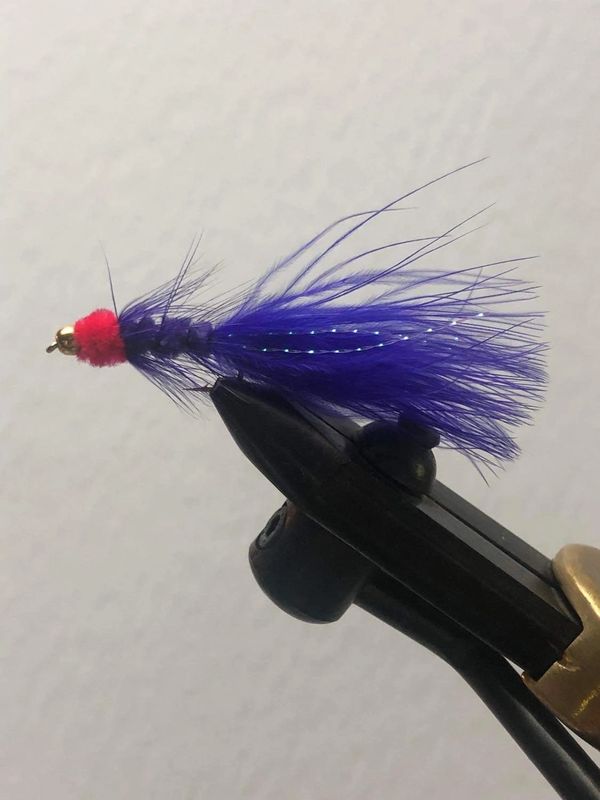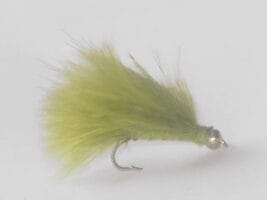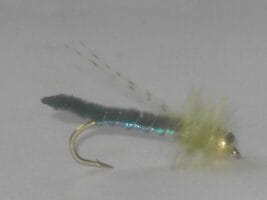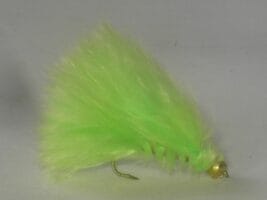
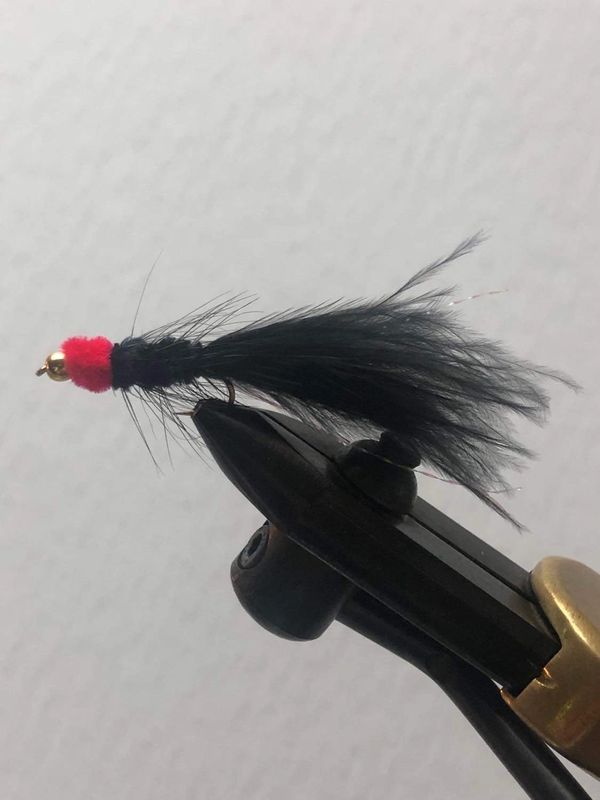
Bead Head Ginger Wooly Bugger
$ 6.30

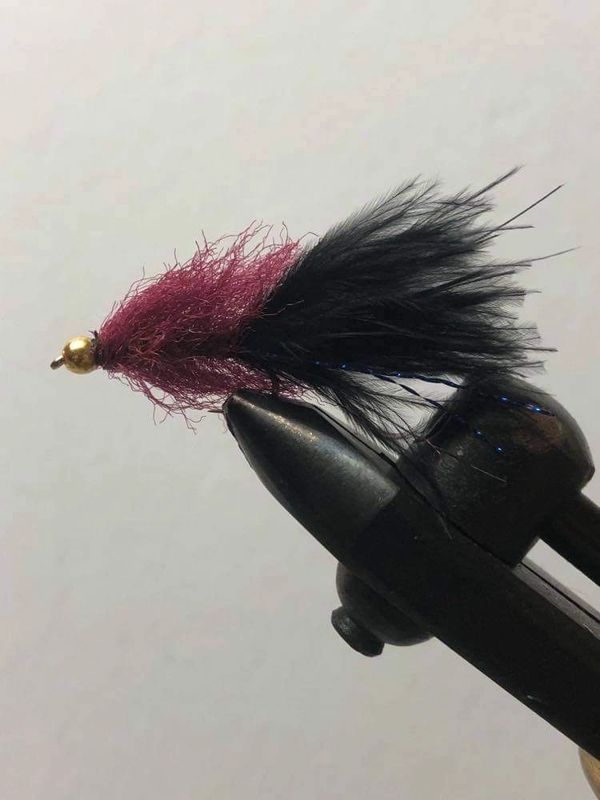
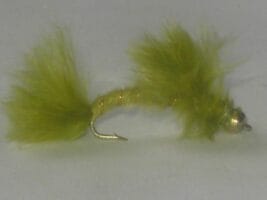

Bead Head Ginger Wooly Bugger : bugger flies The Bead Head Ginger Wooly Bugger Tan represents a refined evolution in the classic Woolly Bugger pattern, combining traditional design elements with a specialized ginger and tan color scheme and weighted bead head. This pattern merges time-tested Woolly Bugger effectiveness with subtle natural colors, creating a highly effective pattern that excels in matching various aquatic prey. Developed through extensive testing in multiple water conditions, this pattern has proven particularly effective for targeting trout and other species in both clear and slightly stained waters. With its unique features, the Bead Head Ginger Wooly Bugger is a favorite among anglers seeking the perfect option for their fishing needs. Many anglers swear by the effectiveness of the Bead Head Ginger Wooly Bugger, making it a must-have in any fly fishing kit. The Bugger is renowned for its versatility in various fishing conditions. The pattern’s effectiveness stems from its carefully engineered components: Precision-machined bead head Premium ginger hackle Quality marabou selection Precise proportions Durable construction Natural materials Strategic weight distribution Enhanced profile design Advanced tying techniques Natural movement properties Technical Specifications For optimal results, consider the Bead Head Ginger Wooly Bugger as your go-to option on your next fishing trip. Hook Characteristics: Strong-gauge streamer hook Available sizes: 8-14 Durable wire construction Straight-eye design Chemically sharpened points Wide gape configuration Corrosion-resistant finish Optimal hook strength Enhanced penetration design Perfect bead-to-hook ratio Material Properties: Selected natural materials Premium hackle quality Tan body materials Ginger accents Water-resistant treatments Enhanced durability features Quality marabou materials Specialized body materials Color-fast properties Movement enhancement Construction and Tying Process?The pattern’s success relies on precise construction methods: Balanced proportions Strategic bead placement Graduated body tapering Reinforced thread base Material integration Enhanced durability features Proper hackle application Body construction Profile consistency Movement optimization Fishing Applications and Techniques Presentation Methods: Strip retrieve Swing presentations Multiple retrieval speeds Dead drift Pattern jigging Depth manipulation Current seam fishing Structure targeting Cross-current swings Action variation Specialized Applications: Deep pools Fast water Technical water High-pressure situations Structure fishing Pocket water Bank fishing Seam fishing Drop-offs Current breaks Seasonal Effectiveness Winter Performance: Prime deep-water season Cold water periods Reduced activity Limited feeding windows Slow presentations Temperature considerations Pattern visibility Fish holding patterns Oxygen levels Light penetration Spring Applications: Pre-spawn activity Warming waters Initial feeding Water level variations Mixed techniques Weather changes Pattern selection Temperature increases Fish movement Feeding windows Summer Strategy: Early morning fishing Deep water refuges Temperature changes Feeding patterns Oxygen levels Light penetration Fish behavior Water conditions Current seams Structure targeting Fall Tactics: Pre-winter feeding Cooling waters Changed light conditions Transitional periods Aggressive takes Pattern visibility Fish location Temperature drops Migration patterns Feeding windows Habitat and Water Types River Applications: Freestone rivers Mountain streams Boulder pockets Fast runs Riffles Deep pools Current seams Structure areas Tailouts Holding water Specialized Environments: Crystal clear waters Stained conditions Shallow riffles Deep runs Complex currents Bank water Pocket water Boulder gardens Undercut banks Drop-offs Target Species and Behavior Primary Species: Brown Trout Rainbow Trout Brook Trout Cutthroat Trout Lake Trout Bass Panfish Mountain Whitefish Feeding Behaviors: Aggressive strikes Chase response Pattern recognition Territorial behavior Opportunistic takes Selective feeding Strike triggers Visual stimulation Lateral line response Competitive feeding Rigging Recommendations Leader Setup: 7.5-9 foot leaders 3X-5X tippet Tapered leaders Fluorocarbon options Loop-to-loop connections Shock absorption Proper stiffness Knot strength Breaking strain Abrasion resistance Presentation Options: Single fly rigs Sink tip lines Multiple fly systems Traditional methods Modern techniques Line matching Leader design Tippet selection Weight placement Depth control Professional Applications Guide Usage: Client-friendly pattern Proven success rates Visibility advantages Easy casting Multiple techniques Teaching tool Confidence pattern Versatile applications Durability Hook-up ratio Competition Usage: Tournament proven Technical water success Pressure adaptation Quick-change capability Consistent performance Depth control Pattern rotation Size variation Color selection Presentation options Care and Maintenance Post-Fishing Care: Thorough drying Material grooming Hook point inspection Bead maintenance Hackle preservation Storage preparation UV protection Pattern inspection Material maintenance Shape verification Storage Requirements: Dry environment UV protection Separate compartments Regular inspection Moisture prevention Temperature control Light protection Ventilation needs Box organization Inventory management Advanced Fishing Methods Presentation Techniques: Strip variations Swing control Depth control Strike detection Drift management Current reading Structure approach Pattern tracking Recovery methods Angle optimization Water Reading: Current understanding Depth assessment Structure location Fish holding areas Presentation angles Feeding lanes Travel routes Rest areas Temperature breaks Current seams Environmental Considerations Conservation Features: Barbless options Sustainable materials Durable construction Catch-and-release friendly Minimal environmental impact Eco-conscious design Material selection Ethical considerations Resource protection Species conservation Material Selection: Responsible sourcing Quality components Recyclable elements Ethical production Sustainable practices Environmental impact Material longevity Waste reduction Local materials Eco-conscious design